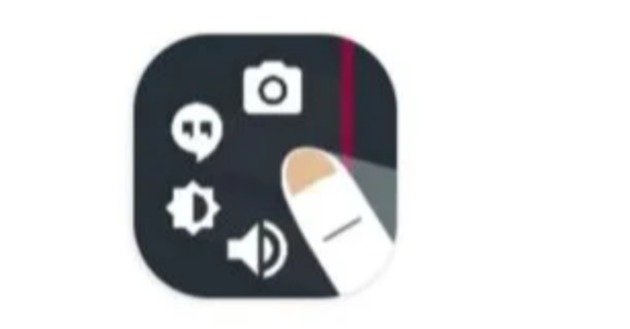
Screen Side Bar App is an Android utility that adds a convenient shortcut panel to the edge of your phone display. Instead of returning to the home screen whenever you want to open another application, you can swipe from the side of the screen and access selected apps quickly.
Side bar applications are especially useful for multitasking. You can keep frequently used apps, contacts, shortcuts, tools, and other functions within easy reach. Some sidebar apps also allow customization of the panel’s position, size, transparency, colors, icons, and gestures.
The exact features depend on the specific Screen Side Bar application you use. Modern Android phones may also provide built-in edge panel features, especially on certain Samsung devices.
What Is Screen Side Bar App?
Screen Side Bar App is designed to create a floating shortcut area along the edge of an Android screen.
The basic idea is simple. A small handle remains available near the edge of the display. When you swipe or tap the handle, the sidebar opens and displays your selected shortcuts.
Depending on the application, you may be able to add:
Apps.
Contacts.
Files.
Notes.
Settings.
Shortcuts.
Tools.
Web shortcuts.
Widgets.
The main purpose is to reduce the number of steps required to reach frequently used functions.
How Does Screen Side Bar App Work?
A typical sidebar application works by displaying an interactive panel over other applications.
You install and configure the application.
You select the applications or shortcuts you want to access.
The app creates a small edge handle.
You swipe from the selected edge.
The sidebar appears.
You tap an icon to open the selected application or shortcut.
Some sidebar applications require overlay permission because they need to display the edge handle above other applications. One popular Android sidebar application specifically states that overlay permission is required for its edge gesture control. (Google Play)
Main Features Of Screen Side Bar App
The available features depend on the application, but common functions include:
Quick app access.
Edge swipe gestures.
Customizable side panels.
App shortcuts.
Contact shortcuts.
File shortcuts.
Multiple columns.
Custom icon styles.
Adjustable transparency.
Custom background colors.
Panel positioning.
Gesture customization.
One-hand operation.
Quick tools.
Some advanced sidebar applications also support widgets, folders, system shortcuts, notification badges, and different panel layouts.
Quick App Access
The main benefit of a sidebar is faster application access.
You can place frequently used apps inside the panel.
For example, you might add:
WhatsApp.
YouTube.
Chrome.
Camera.
Gallery.
Calculator.
Notes.
Email.
Instead of opening the home screen and searching for an icon, you can swipe from the edge and select the application directly.
Access Apps From Any Screen
A sidebar can remain available while you are using another application.
For example, imagine that you are watching a video and suddenly need to open the calculator.
Without a sidebar, you may need to leave the current screen or use the recent apps menu.
With a sidebar, you can swipe from the edge and open the calculator shortcut.
This makes the feature useful for multitasking.
Edge Swipe Gesture
The edge swipe gesture is central to the sidebar experience.
A small handle is usually placed along the left or right edge of the display.
Swipe the handle toward the center.
The panel opens.
Swipe away or tap outside the panel to close it.
You can usually adjust the handle’s position and other gesture settings depending on the application.
Customizable Sidebar
Customization is another major feature.
Many sidebar applications allow you to change:
Panel position.
Panel width.
Icon size.
Icon style.
Background.
Transparency.
Number of columns.
Handle position.
Gesture sensitivity.
A popular Side Bar application supports up to five columns and allows users to customize icon style, background color, transparency, and other visual settings. (Google Play)
Multiple Columns
Some sidebar applications allow several columns of shortcuts.
This is useful if you regularly use many applications.
Instead of limiting the panel to a small number of icons, you can organize apps across multiple columns.
For example:
Column 1, communication apps.
Column 2, work apps.
Column 3, entertainment apps.
Column 4, utilities.
Column 5, frequently used shortcuts.
The exact number of columns depends on the application.
Contacts And Communication Shortcuts
Some advanced sidebars allow you to add contacts.
You can place frequently contacted people inside the panel.
Tapping a contact can open the appropriate communication function.
This can be useful for users who frequently make calls, send messages, or communicate through messaging applications.
File Shortcuts
Some sidebar applications support file shortcuts.
You can place frequently accessed documents or folders in the panel.
This can save time when working with:
PDF files.
Documents.
Images.
Downloads.
Project folders.
Study material.
Instead of searching through the file manager every time, you can access frequently used files through the sidebar.
Notes And Productivity Tools
Some modern sidebar applications support notes and productivity tools.
You may be able to keep:
Quick notes.
Reminders.
Calculators.
Calendars.
Alarms.
Clocks.
Shortcuts.
These features can turn the side panel into a small productivity hub.
Quick Calculator
A sidebar calculator can be useful when you need to perform a quick calculation without leaving your current application.
For example, while reading a document, you can open the sidebar and access a calculator.
Some current sidebar launcher applications specifically include quick calculator functionality. (Google Play)
World Clock And Time Tools
Certain sidebar applications include additional tools such as world clocks.
This can help people who communicate with contacts in different countries.
You can access the clock from the sidebar without opening another application.
The availability of this function depends on the specific sidebar app.
One-Handed Operation
A side panel can make phone navigation easier with one hand.
You can position the handle where your thumb can reach it comfortably.
This can be particularly useful on large smartphones.
Instead of stretching toward the top of the screen or navigating through several menus, you can access frequently used functions from the edge.
Custom Background And Transparency
Visual customization allows you to make the sidebar fit your phone’s appearance.
You may be able to change the background color.
You can also adjust transparency.
A transparent panel can make the sidebar less visually intrusive.
A more solid background can make icons easier to identify.
The best setting depends on your preference and screen design.
Custom Icon Styles
Some applications allow you to modify icon appearance.
You may be able to change:
Icon size.
Icon shape.
Icon pack.
Icon spacing.
Labels.
Visual style.
This allows you to create a sidebar that matches your home screen.
Sidebar Position
Most sidebar applications allow you to select where the panel appears.
Common positions include:
Left edge.
Right edge.
Bottom edge.
The right side can be convenient for right-handed users, while the left side may be more comfortable for left-handed users.
Some applications provide more positioning options.
Folders For Better Organization
If your sidebar supports folders, you can organize related applications.
For example, create a folder called Education.
Inside it, add:
Calculator.
Notes.
Browser.
PDF reader.
Dictionary.
Another folder could contain social media applications.
This keeps the main sidebar clean.
Sidebar For Students
Students can use a sidebar to quickly access educational tools.
Useful shortcuts may include:
Calculator.
Dictionary.
Notes.
PDF reader.
Browser.
Calendar.
Online classroom apps.
Study material.
This can reduce navigation time during study sessions.
Sidebar For Teachers
Teachers can also benefit from quick access to frequently used tools.
A teacher might place:
Notes.
Calculator.
Camera.
Gallery.
PDF reader.
Messaging app.
Calendar.
Cloud storage.
Presentation tools.
This can make classroom preparation and communication more convenient.
Sidebar For Multitasking
Multitasking is one of the strongest reasons to use a sidebar.
You can keep important applications available while working inside another app.
For example, you could read a PDF and quickly open your calculator.
You could write notes while checking information in a browser.
You could watch a tutorial while accessing a notes application.
The sidebar reduces the need to repeatedly return to the home screen.
Screen Side Bar App Vs Built-In Edge Panels
Some Android phones already provide similar functionality.
Samsung Galaxy devices, for example, have Edge Panels that can provide quick access to apps, contacts, tools, and other functions. (Android Central)
If your phone already includes a built-in sidebar, you may not need a third-party application.
Third-party sidebar apps can still be useful when you want additional customization or features that your phone’s built-in system does not provide.
Permissions Required By Sidebar Apps
Permissions vary by application.
A sidebar may request overlay permission so it can display the edge handle above other applications.
Some applications may request accessibility access for advanced functions.
For example, one current sidebar launcher states that it uses Android’s AccessibilityService API to provide its edge functionality. (Google Play)
You should review requested permissions before enabling them.
Only grant permissions that are necessary for the features you want to use.
Overlay Permission
Overlay permission allows an application to display certain elements over other applications.
Sidebar applications can use this permission to keep an edge handle visible while you use other apps.
Without the required permission, the sidebar may not function correctly.
The exact permission name can vary depending on your Android version.
Accessibility Permission
Some advanced sidebar applications use Android’s accessibility service for specific functions.
This permission can provide deeper interaction with the device.
Because accessibility access can be powerful, review the application’s explanation before enabling it.
Do not grant accessibility permission to an application unless you understand why it needs it.
How To Set Up Screen Side Bar App
The setup process is generally straightforward.
Install the sidebar application.
Open the application.
Follow the initial setup instructions.
Enable the required permissions.
Activate the edge panel.
Choose your preferred screen edge.
Add your favorite applications.
Adjust the handle position.
Customize the panel appearance.
Test the swipe gesture.
Once configured, the sidebar should remain available while you use compatible applications.
How To Add Apps To The Sidebar
Open the sidebar settings.
Look for an option such as Apps, Shortcuts, or Edit Panel.
Select the applications you want.
Save your selection.
Open the sidebar and test the shortcuts.
Keep only the applications you use frequently.
Adding too many icons can make the panel harder to navigate.
How To Customize The Sidebar
Open the application’s settings.
Look for customization options.
Adjust the:
Panel position.
Handle size.
Icon size.
Background.
Transparency.
Columns.
Spacing.
Gesture sensitivity.
Save your settings.
Try different configurations until the panel feels comfortable.
How To Use Screen Side Bar Efficiently
Do not treat the sidebar as another app drawer.
Use it for your most important shortcuts.
A useful setup might contain:
Five frequently used apps.
One calculator.
One notes shortcut.
One file shortcut.
One communication shortcut.
This creates a compact and practical panel.
Benefits Of Screen Side Bar App
The main benefits include:
Faster app access.
Less navigation.
Improved multitasking.
One-hand operation.
Custom shortcuts.
Personalized interface.
Quick access to tools.
Better organization.
Convenient access from different screens.
The feature can be particularly helpful for users who frequently switch between several applications.
Potential Limitations
Sidebar applications also have limitations.
They may require overlay permission.
Some may request accessibility access.
The edge handle can sometimes interfere with screen gestures.
Heavy customization can make the interface complicated.
Some applications contain advertisements.
Battery behavior can vary depending on the application.
Compatibility may differ between Android devices.
One current sidebar app listing includes advertisements and in-app purchases, showing that monetization differs between sidebar applications. (Google Play)
Battery Usage
A sidebar that remains active may use some system resources.
The actual battery impact depends on the application’s design, device, Android version, and background behavior.
If you notice unusual battery consumption, check the application’s battery settings.
You can also disable unnecessary background features.
Performance Considerations
A well-designed sidebar should feel responsive.
However, problems can occur if:
The application is outdated.
The device has limited memory.
Too many background applications are running.
Battery optimization stops the sidebar.
Permissions are disabled.
The sidebar application conflicts with another overlay application.
Keeping the application updated can help resolve compatibility problems.
Common Problems And Solutions
Sidebar Does Not Appear
Check whether the required overlay permission is enabled.
Swipe Gesture Does Not Work
Open the application’s gesture settings and check the active edge and sensitivity.
Sidebar Disappears
Check battery optimization and background restrictions.
Apps Are Missing
Open the sidebar’s edit menu and add the missing applications.
Sidebar Opens Accidentally
Move the handle or reduce gesture sensitivity.
Icons Are Too Small
Increase icon size through the appearance settings.
Panel Blocks Other Controls
Move the handle to another location or reduce its width.
Privacy And Security Considerations
A sidebar can have access to powerful Android features depending on its permissions.
Before installing one, review:
Requested permissions.
Developer information.
Privacy policy.
Data safety information.
User reviews.
Recent updates.
Avoid installing unknown modified versions simply because they advertise extra features.
Use a trustworthy distribution source and keep your device protected.
Who Should Use A Screen Side Bar App?
The application can be useful for:
Students.
Teachers.
Office workers.
Content creators.
Multitaskers.
Gamers.
People using large-screen phones.
Users who frequently switch between applications.
Users who want more shortcut customization.
If you rarely switch between apps, the feature may provide little additional value.
Screen Side Bar For Content Creators
Content creators often move between several tools.
A sidebar can provide quick access to:
Camera.
Gallery.
Video editor.
Notes.
Browser.
Social media.
Cloud storage.
File manager.
This can reduce unnecessary navigation during content creation.
Screen Side Bar For Gamers
Gamers can use a sidebar to access certain tools without repeatedly returning to the home screen.
Depending on the device and application, you might keep:
Screen recorder.
Calculator.
Music.
Messaging.
Notes.
Game-related tools.
Be careful with overlay features during gaming because some devices or games may not work properly with additional overlays.
Screen Side Bar For Office Work
Office users can create a work-focused panel.
Useful shortcuts might include:
Email.
Calendar.
Notes.
Cloud storage.
Document reader.
Calculator.
Browser.
Messaging.
This setup can make routine tasks faster.
Frequently Asked Questions
What Is Screen Side Bar App?
It is an Android utility that provides quick access to applications, tools, contacts, files, or shortcuts through an edge panel.
How Does A Screen Sidebar Work?
It usually places a small handle along the edge of the screen. You swipe the handle to open a customizable shortcut panel.
Does Screen Side Bar Work On Android?
Yes. Android supports both built-in and third-party sidebar solutions, although available features vary between devices and applications.
Does A Sidebar Require Overlay Permission?
Some sidebar applications require overlay permission to display the edge handle above other applications. (Google Play)
Can I Add My Favorite Apps?
Yes. Most sidebar applications allow you to select applications that you frequently use.
Can I Change The Sidebar Position?
Many applications allow you to choose the left or right side. Some provide additional positioning options.
Can I Change The Sidebar Color?
Many sidebar applications provide background, transparency, and color customization.
Can I Add Multiple Columns?
Some applications support multiple columns. One popular sidebar app supports up to five columns. (Google Play)
Can I Use A Sidebar For Multitasking?
Yes. A sidebar can help you switch to frequently used applications without returning to the home screen.
Does Samsung Have A Built-In Sidebar?
Many Samsung Galaxy devices include Edge Panels that provide quick access to applications and tools. (Android Central)
Does A Sidebar Work Over Other Apps?
Many third-party sidebar applications are designed to remain available while you use other applications. This usually requires appropriate permissions.
Can I Add Contacts To A Sidebar?
Some advanced sidebar applications support contact shortcuts.
Can I Add Files To A Sidebar?
Some sidebar applications support file and document shortcuts.
Does A Screen Sidebar Slow Down A Phone?
A properly designed sidebar should have limited impact, but resource usage varies between applications and devices.
Can A Sidebar Use Battery?
It may consume some system resources because it remains available in the background. Actual battery usage varies.
Is A Third-Party Sidebar Necessary?
Not always. If your phone already provides a suitable built-in edge panel, you may not need another application.
Can I Customize The Sidebar Icons?
Many sidebar applications allow changes to icon size, style, spacing, and other visual settings.
Is Screen Side Bar Useful For Students?
Yes. Students can keep calculators, notes, PDF readers, browsers, and study applications within quick reach.
Is Screen Side Bar Useful For Teachers?
Yes. Teachers can create shortcuts for notes, documents, communication tools, calendars, cameras, and other frequently used applications.
Why Is My Sidebar Not Opening?
Check overlay permission, gesture settings, battery restrictions, and whether the sidebar service is active.
Can The Sidebar Open Accidentally?
Yes. If the edge handle is too sensitive or positioned near a frequently used gesture area, accidental activation can occur. Adjust the handle position or sensitivity.
Final Thoughts
Screen Side Bar App can turn the edge of your Android display into a convenient shortcut area. Its main purpose is to make frequently used applications and tools accessible with a simple swipe.
The most useful features include quick app access, customizable panels, edge gestures, multiple columns, visual customization, and shortcuts. Some advanced applications also support contacts, files, notes, widgets, calculators, and other productivity tools.
Before installing a third-party sidebar, check whether your phone already includes a built-in solution. If you do install one, review its permissions carefully and configure only the shortcuts you actually use.
A simple, well-organized sidebar can make everyday Android navigation faster and more convenient.