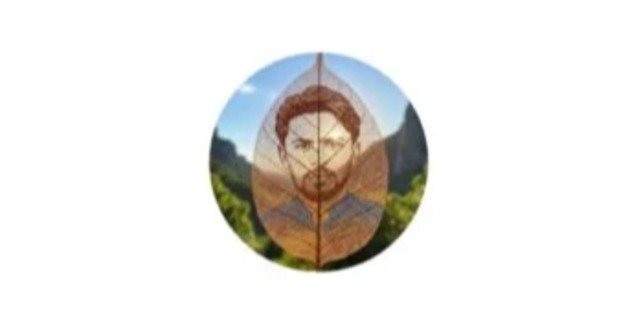
AI photo editing has changed the way people create attractive and creative images. Instead of using complicated editing software, you can now describe an idea in natural language and let an AI image editor transform your photo.
Google Gemini provides image generation and editing features that allow users to upload an image and request specific changes. Gemini can edit an uploaded image, modify a generated image, or combine multiple images according to a detailed prompt. (Google Support)
The “Pic on Leaf” trend focuses on creating artistic photographs where a person, object, or portrait appears naturally positioned on or around a leaf. The effect can create a miniature, fantasy, nature, or editorial style depending on the prompt.
This guide explains how the Pic on Leaf concept works, how to create it with Gemini, how to write effective prompts, useful editing ideas, common problems, and practical tips for getting better results.
What Is Pic on Leaf Google Gemini Editing?
Pic on Leaf refers to an AI image editing concept where a photograph is transformed so that the main subject appears on a leaf.
The leaf can become part of the composition rather than simply appearing in the background.
For example, you can ask Gemini to place a portrait on a fresh green leaf surrounded by natural scenery. You can also request miniature styling, realistic shadows, soft sunlight, macro photography, or a fantasy environment.
Gemini’s image editing capabilities allow users to upload an image and describe the changes they want using a prompt. (Google Support)
How Google Gemini Image Editing Works
Gemini uses natural language instructions to understand the changes you want.
You can provide:
A photo.
A detailed editing instruction.
A desired style.
A background description.
Lighting instructions.
Composition instructions.
Color preferences.
The system then generates an edited image based on those instructions.
Google recommends describing the subject, composition, action, location, style, and editing instructions clearly when writing image prompts. (blog.google)
What Makes The Pic on Leaf Trend Attractive?
The concept combines ordinary photography with an unusual visual composition.
A normal portrait can become more creative when the person appears to be standing or sitting on a leaf.
You can create different styles, including:
Realistic photography.
Miniature photography.
Fantasy art.
Nature photography.
Macro photography.
Cinematic portraits.
Dreamy compositions.
Surreal scenes.
The final result depends heavily on the quality and detail of the prompt.
Main Features Of Gemini AI Image Editing
Gemini’s current image tools support several useful editing capabilities.
You can:
Upload an image and request edits.
Edit images previously generated in Gemini.
Combine multiple images.
Change backgrounds.
Replace objects.
Add elements.
Modify specific areas.
Apply different visual styles.
Maintain greater consistency across edits.
Google describes local editing as a feature for making specific changes to parts of an image. (Google Support)
Upload Your Photo
The first step is to select a suitable photograph.
For a portrait based Pic on Leaf design, choose an image where the subject is clearly visible.
A good source image should have:
Clear facial details.
Good lighting.
Reasonable image quality.
A simple pose.
Minimal obstruction.
A suitable camera angle.
The clearer the original photo, the easier it can be to describe the desired transformation.
Write A Detailed Prompt
Your prompt tells Gemini what you want.
Instead of writing:
“Put me on a leaf.”
Use a more detailed instruction.
For example:
“Transform this portrait into a realistic macro photograph. Place the person naturally standing on a large fresh green leaf. Preserve the person’s facial identity, hairstyle, clothing, and natural appearance. Add realistic shadows beneath the feet, soft morning sunlight, detailed leaf texture, shallow depth of field, and a natural forest background.”
Detailed instructions give Gemini more information about the desired result.
Best Pic on Leaf Prompt
You can use this type of prompt:
“Edit this photo into a highly realistic Pic on Leaf scene. Place the person naturally on a large green leaf with realistic proportions. Preserve the person’s face, hairstyle, skin tone, clothing, and overall identity. Add detailed leaf veins, natural sunlight, realistic shadows, soft background blur, fresh green plants, and professional macro photography. Keep the subject sharp and the background slightly blurred. Make the composition realistic and natural.”
Miniature Pic on Leaf Prompt
For a miniature effect, try:
“Transform this image into a realistic miniature photography scene. Make the person appear very small while standing naturally on a large fresh green leaf. Preserve the person’s facial appearance and clothing. Add realistic leaf texture, tiny water droplets, natural shadows, soft sunlight, and a blurred garden background. Use macro photography with realistic depth of field.”
Fantasy Pic on Leaf Prompt
For a fantasy appearance:
“Create a magical fantasy scene using this portrait. Place the person on a giant green leaf surrounded by glowing plants, tiny flowers, soft mist, and warm golden light. Preserve the person’s face and clothing. Make the leaf texture realistic and detailed. Use cinematic lighting, natural shadows, and a high quality fantasy photography style.”
Nature Photography Prompt
For a realistic outdoor result:
“Turn this image into a professional nature photograph. Place the subject naturally on a large green leaf surrounded by plants and small flowers. Preserve the original face, hairstyle, clothing, and body proportions. Add realistic sunlight, natural shadows, detailed leaf veins, soft background blur, and realistic colors. Use a macro photography composition.”
Rain Drop Leaf Prompt
Water droplets can make the scene more interesting.
Try:
“Place the subject on a fresh green leaf covered with small realistic water droplets. Preserve the person’s original appearance and clothing. Add soft morning light, detailed leaf veins, natural reflections, realistic shadows, and a blurred green garden background. Create a high resolution macro photography effect.”
Golden Hour Pic on Leaf Prompt
Golden hour lighting can create a warm appearance.
Use:
“Create a realistic golden hour photograph with the subject standing naturally on a large green leaf. Preserve the original face, hairstyle, clothing, and identity. Add warm sunlight coming from the side, realistic shadows, subtle lens flare, detailed leaf texture, and a softly blurred natural background.”
Black And White Pic on Leaf Prompt
You can also create a monochrome version.
“Convert this concept into a dramatic black and white macro photograph. Place the subject naturally on a large leaf. Preserve facial details and clothing. Add strong but natural contrast, detailed leaf texture, realistic shadows, soft background blur, and professional photography composition.”
Cinematic Pic on Leaf Prompt
For social media content, cinematic styling can work well.
“Create a cinematic photograph of the subject standing on a giant green leaf. Preserve the original face and identity. Use dramatic natural lighting, realistic shadows, shallow depth of field, detailed leaf texture, cinematic composition, subtle atmospheric mist, and professional color grading.”
How To Keep The Face Consistent
Face consistency is important when editing portraits.
Tell Gemini clearly:
“Preserve the person’s identity.”
“Keep the original facial features.”
“Do not change the face.”
“Maintain the original hairstyle.”
“Keep the natural skin tone.”
“Do not beautify or alter facial proportions.”
Google has highlighted improvements in maintaining character consistency during image editing. (blog.google)
How To Preserve Clothing
If you want the original clothes to remain unchanged, include a direct instruction.
For example:
“Keep the person’s original clothing exactly the same. Do not change the color, design, fabric, or accessories.”
This can reduce unwanted changes during the editing process.
How To Create Realistic Shadows
Shadows are important when placing a person onto a leaf.
Without a realistic shadow, the subject can appear pasted onto the image.
Use wording such as:
“Add a realistic contact shadow beneath the subject that follows the direction of the sunlight.”
You can also specify the light direction.
For example:
“Use sunlight from the upper left and create a soft natural shadow toward the lower right.”
How To Make The Leaf Realistic
A detailed leaf description can improve the final composition.
Mention:
Leaf shape.
Leaf color.
Leaf veins.
Surface texture.
Water droplets.
Natural imperfections.
Lighting.
For example:
“Use a large fresh green leaf with visible veins, subtle surface texture, natural curves, tiny water droplets, and realistic imperfections.”
Macro Photography Style
Macro photography works particularly well for the Pic on Leaf concept.
It emphasizes small details and creates a strong difference between the subject and the surrounding environment.
You can request:
“Professional macro photography.”
“Shallow depth of field.”
“Sharp subject.”
“Soft background.”
“Natural bokeh.”
“Detailed leaf texture.”
These instructions help establish the intended photographic style.
Use A Simple Background
A crowded background can reduce the impact of the subject.
For a clean result, request:
“Use a softly blurred natural garden background.”
You can also specify:
Forest.
Garden.
Meadow.
Park.
Mountain landscape.
Tropical plants.
Each environment can produce a different visual effect.
Use Multiple Reference Images
Gemini can work with multiple uploaded images and create a new image based on them. (Google Support)
This can be useful when you want to combine:
Your portrait.
A leaf photograph.
A background photograph.
A clothing reference.
A particular visual style.
Multiple references can provide more information about the intended composition.
Combining A Portrait And Leaf Image
You can upload a portrait and a leaf reference image.
Then write:
“Use the uploaded portrait as the main subject and use the uploaded leaf image as the environmental reference. Place the person naturally on the leaf while preserving their identity, clothing, proportions, and facial details. Match the lighting and shadows between the subject and the leaf.”
This gives the editing model a clearer visual target.
Editing A Generated Image
You can continue editing an image after Gemini generates it.
For example, you might first create the Pic on Leaf scene and then request:
“Make the leaf larger.”
Then:
“Add realistic water droplets.”
Then:
“Change the background to a forest.”
Then:
“Make the sunlight warmer.”
Gemini supports conversational image editing, allowing users to refine an image through additional instructions. (blog.google)
Change The Background
You can transform the same image into different environments.
Try:
“Replace the background with a misty forest.”
Or:
“Change the background to a bright flower garden.”
Or:
“Place the leaf above a calm mountain valley.”
Google describes background changes and adding or replacing elements as part of its image editing capabilities. (blog.google)
Add Flowers
Flowers can make the composition more colorful.
Prompt example:
“Add small white and yellow flowers around the large leaf. Keep the flowers realistic and naturally positioned. Preserve the original subject without changing the face or clothing.”
Add Butterflies
For a fantasy nature composition:
“Add two realistic butterflies flying near the leaf. Keep them naturally integrated into the scene with accurate shadows and lighting.”
Avoid adding too many objects because the main subject should remain the visual focus.
Add Water Droplets
Water droplets can improve the macro photography effect.
Prompt:
“Add small realistic water droplets across the leaf surface. Make each droplet reflect the surrounding light naturally. Do not place droplets over the person’s face or clothing.”
Change The Leaf Color
You can experiment with different colors.
For example:
“Change the leaf to a deep emerald green while maintaining realistic texture and natural lighting.”
Or:
“Create a golden autumn leaf with detailed veins and realistic dry edges.”
Autumn Pic on Leaf Prompt
Try this:
“Create a realistic autumn scene with the subject standing on a large golden brown leaf. Preserve the original face, hairstyle, clothing, and identity. Add warm autumn sunlight, falling leaves, natural shadows, detailed leaf veins, shallow depth of field, and a softly blurred woodland background.”
Snowy Leaf Prompt
You can also create a winter version.
“Place the subject on a large green leaf covered with a light layer of realistic snow. Preserve the person’s identity and clothing. Add soft winter light, tiny ice crystals, realistic shadows, and a blurred snowy forest background.”
Neon Leaf Prompt
For a modern social media style:
“Place the subject on a large leaf in a futuristic nighttime environment. Add subtle green and blue neon lighting, realistic reflections, detailed leaf texture, atmospheric mist, and cinematic depth of field. Preserve the original face and clothing.”
3D Style Pic on Leaf
You can request a 3D illustration:
“Transform the image into a high quality 3D artistic scene. Place the subject on a giant leaf with realistic depth, detailed textures, soft lighting, natural shadows, and a cinematic background. Keep the subject recognizable and preserve the main facial features.”
Cartoon Pic on Leaf
For a cartoon version:
“Turn this photo into a polished cartoon illustration. Place the subject on a giant green leaf surrounded by flowers and plants. Preserve the main facial characteristics and clothing while using clean cartoon lines, bright colors, soft lighting, and a detailed nature background.”
Watercolor Pic on Leaf
Gemini can also create artistic styles based on detailed prompts.
“Create a watercolor painting of the subject standing on a large green leaf. Preserve the main facial characteristics and clothing. Use delicate brush textures, soft green foliage, gentle sunlight, subtle shadows, and an artistic paper texture.”
Google recommends specifying the visual style when writing image prompts, including styles such as watercolor, charcoal, cartoon illustration, and photorealistic imagery. (Google Support)
How To Make Prompts More Effective
Good prompts should contain enough information to describe your intended result.
Include:
Subject.
Action.
Location.
Composition.
Style.
Lighting.
Colors.
Editing instructions.
Google’s prompt guidance recommends describing the subject, composition, action, location, style, and specific editing requirements. (blog.google)
Avoid Very Short Prompts
A short prompt such as:
“Make me on leaf.”
may produce an unpredictable result.
A better prompt explains:
Who is in the image.
Where the person should appear.
What the leaf should look like.
What background you want.
What style you prefer.
Which original features must remain unchanged.
Use Natural Language
You do not need complicated technical terminology.
Write the prompt as if you are explaining the desired image to another person.
For example:
“Take this portrait and place me naturally on a large green leaf in a peaceful garden. Keep my face and clothes unchanged. Make the scene look like a professional macro photograph with soft morning sunlight and realistic shadows.”
Clear instructions are usually more useful than random collections of keywords.
Correcting A Bad Result
If the first result is not correct, do not necessarily start over.
Give Gemini another instruction.
For example:
“Keep everything the same, but make the person smaller.”
Or:
“Keep the face unchanged and make the leaf larger.”
Or:
“Make the shadow more realistic.”
Or:
“Remove the extra flowers.”
Conversational refinement is one of the useful aspects of Gemini’s current image editing workflow. (blog.google)
Fixing Face Changes
If Gemini changes the face, try:
“Restore the original facial appearance. Keep the exact identity and facial proportions from the uploaded image. Do not modify the eyes, nose, lips, jawline, hairstyle, or skin tone.”
You can then continue refining the image.
Fixing Incorrect Hands
AI generated images can sometimes produce unwanted hand or body details.
Try:
“Correct the hands and fingers. Make them anatomically natural and proportionate. Keep the original pose and clothing unchanged.”
Fixing Incorrect Feet
For a person standing on a leaf:
“Correct the feet so they make natural contact with the leaf. Add realistic contact shadows beneath both feet and maintain correct body proportions.”
Fixing Lighting Problems
If the subject and background appear to have different lighting:
“Match the subject lighting with the environment. Use the same sunlight direction, color temperature, highlights, and shadows across the entire image.”
This can make the composite appear more natural.
Social Media Pic on Leaf Ideas
You can create different versions for:
Facebook profile pictures.
Instagram posts.
TikTok videos.
WhatsApp status.
YouTube thumbnails.
Pinterest posts.
Digital artwork.
Personal wallpapers.
For social media, vertical compositions can work well.
Portrait Pic on Leaf
Use a vertical portrait composition.
Prompt:
“Create a vertical professional portrait where the subject stands naturally on a large green leaf. Preserve the original face and clothing. Use realistic macro photography, soft sunlight, shallow depth of field, detailed leaf texture, and a clean natural background.”
Couple Pic on Leaf
If you have permission to edit both people’s photos:
“Combine these two portraits into one realistic scene. Place the couple naturally together on a large green leaf. Preserve both identities, facial features, hairstyles, and clothing. Match the lighting, proportions, shadows, and perspective. Use realistic macro photography and a soft natural garden background.”
Friends Pic on Leaf
For a group:
“Place the people from the uploaded image naturally together on a giant green leaf. Preserve their identities, clothing, body proportions, and expressions. Add realistic shadows, detailed leaf veins, natural sunlight, and a softly blurred garden background.”
Professional Profile Picture
You can also create a creative professional portrait.
“Create a clean professional profile image with the subject naturally positioned on a large green leaf. Keep the original face and clothing. Use soft studio style lighting combined with realistic natural textures and a subtle green background.”
Google Gemini Image Editing Limitations
AI image editing can produce unexpected results.
You may notice:
Changed facial features.
Incorrect hands.
Unnatural shadows.
Wrong proportions.
Extra objects.
Different clothing.
Incorrect background details.
Unwanted text.
If this happens, refine the prompt with specific corrections.
Google also states that image generation and editing availability can depend on supported countries, languages, accounts, and age requirements. (Google Support)
Age Requirements
Google’s current Gemini documentation states that users must be 18 or older to generate and edit images with the relevant Gemini image editing features. (Google Support)
Access can also vary for school and work accounts.
Privacy Considerations
Think carefully before uploading personal photographs to any AI service.
Avoid uploading:
Private documents.
Identity documents.
Passwords.
Financial information.
Sensitive personal photographs.
Images of other people without appropriate permission.
Google advises users to consider privacy and rights when generating or editing images. (Google Support)
Copyright And Personal Photos
Only use images that you have the right to edit.
If you use another person’s photograph, make sure you have appropriate permission.
If you use copyrighted artwork or professional photographs, consider whether your intended use is permitted.
Google also reminds users not to violate copyright or privacy rights when using Gemini image generation and editing. (Google Support)
AI Generated Image Identification
Google states that images generated or edited using its native image generation technology include an invisible SynthID digital watermark. (blog.google)
This technology helps identify AI generated content.
Users should also consider platform policies when publishing AI generated images.
Best Practices For Pic on Leaf Editing
Use a high quality source photo.
Write a detailed prompt.
Mention the desired style.
Specify lighting.
Describe the leaf.
Explain the background.
Tell Gemini which features to preserve.
Refine the image through additional prompts.
Keep the composition simple.
Check the final image carefully.
Frequently Asked Questions
What Is Pic on Leaf Editing?
Pic on Leaf editing is an AI image editing concept where a person or object appears naturally positioned on a leaf, often using realistic macro photography or artistic styles.
Can Gemini Create A Pic on Leaf?
Yes. Gemini supports image generation and image editing, including editing uploaded images through natural language prompts. (Google Support)
Can I Upload My Own Photo?
Yes. Gemini allows users to upload an image and ask the system to make specific edits. (Google Support)
Can Gemini Change The Background?
Yes. Gemini’s image editing capabilities can modify backgrounds and other elements in an image. (blog.google)
Can I Add A Leaf To My Photo?
Yes. You can ask Gemini to add a leaf and position the subject naturally within the scene.
Can I Use A Real Leaf Photo As A Reference?
Yes. Gemini can work with multiple uploaded images and use them to create a new image based on the references. (Google Support)
How Do I Keep My Face Unchanged?
Tell Gemini to preserve your original identity, facial features, hairstyle, skin tone, and proportions.
Can I Create A Miniature Effect?
Yes. Ask Gemini to make the person appear small relative to a large leaf and request realistic macro photography.
Can I Change The Leaf Color?
Yes. You can request green, golden, brown, red, or other leaf colors while specifying realistic texture and lighting.
Can I Add Water Drops?
Yes. You can ask Gemini to add realistic water droplets to the leaf.
Can I Create A Fantasy Version?
Yes. You can request fantasy elements such as glowing plants, magical lighting, mist, flowers, or other creative details.
Why Does My Edited Face Look Different?
AI image editing can sometimes change facial details. Use a more specific instruction asking Gemini to preserve the original identity and facial characteristics.
Why Do The Shadows Look Unnatural?
The lighting direction between the subject and background may not match. Ask Gemini to match the light source and create realistic contact shadows.
Can I Edit The Same Image Multiple Times?
Yes. Gemini supports conversational editing, allowing users to refine an image with additional instructions. (blog.google)
Can Gemini Combine Multiple Images?
Yes. Current Gemini image editing can use multiple uploaded images as references for creating a new image. (Google Support)
What Makes A Good Gemini Prompt?
A good prompt clearly describes the subject, composition, action, location, style, lighting, and specific editing requirements. (blog.google)
Can I Use Pic on Leaf Images On Social Media?
Yes, provided you have the necessary rights to the source photographs and comply with the relevant platform and AI service rules.
Final Thoughts
Pic on Leaf is a creative AI image editing concept that can turn an ordinary portrait into an unusual nature themed composition. Google Gemini provides tools for uploading photographs, generating images, editing existing images, combining references, and refining results through natural language prompts. (Google Support)
The quality of the final result depends heavily on your instructions. Describe the subject, leaf, composition, lighting, background, photography style, and features that must remain unchanged.
For realistic results, focus on facial consistency, body proportions, perspective, contact shadows, leaf texture, and matching light direction. If the first result is not satisfactory, refine it with specific instructions rather than rewriting the entire concept.
You can also experiment with miniature, cinematic, fantasy, watercolor, autumn, rainy, snowy, and macro photography styles. Gemini’s current image tools support detailed prompts and conversational editing, giving you many ways to develop the same concept into different visual styles. (blog.google)