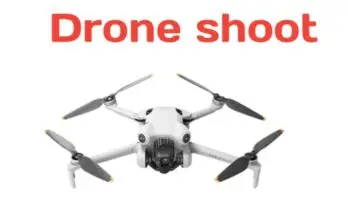
Drone Shoot is an AI video creation concept that allows you to transform a single image into a dynamic video with cinematic camera movement. Instead of recording an actual drone flight, you can use an AI video generator to create the appearance of an aerial camera moving around or above the subject.
PixVerse supports image-to-video generation, allowing users to upload an image and generate a video from it. Its current V6 model supports image-to-video generation, camera movement, multiple resolutions, and videos up to 15 seconds. (PixVerse Platform Docs)
This type of AI effect can be useful for travel photos, property images, landscapes, portraits, cars, bikes, products, events, and social media content.
What Is Drone Shoot AI Video?
Drone Shoot AI video uses artificial intelligence to animate a static photograph.
You provide one image.
The AI analyzes the scene.
It estimates depth, objects, lighting, and perspective.
It then creates additional frames that simulate camera movement.
The final result can look like a drone camera moving through or around the original scene.
This can create an aerial cinematic effect without physically recording footage with a drone.
How Does Image To Video Work?
Image-to-video technology transforms a static image into moving footage.
PixVerse’s image-to-video workflow requires an image as input and generates a video based on the image and your instructions. The platform supports JPG, JPEG, PNG, and WebP images. (PixVerse Platform Docs)
The AI uses the original image as the visual foundation.
You can then describe the movement you want.
For example:
“Camera slowly rises above the subject.”
“Drone moves backward while revealing the landscape.”
“Camera performs a smooth aerial orbit.”
“Cinematic drone shot moving forward.”
The AI attempts to generate the requested movement.
Main Features Of Drone Shoot AI Video
A drone-style AI video workflow can provide several useful features.
Single-image video generation.
Cinematic camera movement.
Aerial perspective effects.
Image-to-video conversion.
Camera zoom effects.
Orbit movements.
Forward and backward movement.
Landscape reveals.
Short video generation.
Different video resolutions.
Vertical video creation.
The exact options depend on the AI video platform and model you use.
Single Picture To Video
The biggest advantage is that you only need one suitable image.
You do not need:
A drone.
A professional camera.
A pilot.
Aerial filming equipment.
A helicopter.
Expensive production equipment.
Upload your photograph and describe the desired camera movement.
The AI generates a moving version of the scene.
Create A Drone Zoom-Out Effect
A zoom-out effect can make a photograph appear to have been captured from a drone.
Start with the original image.
Tell the AI that the camera should slowly move backward and upward.
The generated video can gradually reveal more of the surrounding environment.
A useful prompt could be:
“Cinematic drone camera slowly pulls backward and rises upward, revealing the entire landscape, smooth realistic motion, natural lighting, stable camera movement.”
Create A Drone Orbit Effect
An orbit effect makes the camera appear to move around the main subject.
This works particularly well with:
Cars.
Buildings.
People.
Statues.
Wedding scenes.
Landscapes.
Products.
A suitable prompt could be:
“Smooth cinematic drone camera orbit around the subject, slow circular movement, realistic depth, natural lighting, stable aerial cinematography.”
Create Aerial Reveal Videos
Aerial reveals are useful when you want to show a larger environment.
For example, an image of a house can begin with a closer view and gradually reveal the surrounding area.
You can instruct the AI to move upward and backward.
This can create a cinematic establishing shot.
Create Drone Videos From Landscape Photos
Landscape photographs are among the best candidates for drone-style animation.
Suitable images include:
Mountains.
Rivers.
Lakes.
Villages.
Cities.
Roads.
Fields.
Beaches.
Forests.
The AI can add camera movement while preserving the original visual style.
Create Drone Videos From Car Photos
Car photography can become more dynamic with AI camera movement.
You can upload a car photograph and request:
Aerial orbit.
Slow pullback.
Low-to-high camera movement.
Forward tracking.
Wide landscape reveal.
For example:
“Cinematic drone camera slowly circles the car while rising upward, realistic reflections, smooth movement, natural daylight, professional automotive commercial style.”
Create Drone Videos From Bike Photos
Motorcycle photographs can also work well with aerial effects.
You can create a cinematic scene where the camera moves around the motorcycle while gradually revealing the road or landscape.
This can be useful for social media automotive content.
Create Real Estate Drone Videos
Real estate creators can use a single property image to create an aerial-style introduction.
For example:
“Camera slowly rises above the house and moves backward, revealing the complete property and surrounding neighborhood, realistic daylight, smooth professional drone movement.”
This can provide a visual concept before actual drone footage is recorded.
Create Travel Videos
A travel photograph can become a short cinematic clip.
You can animate:
A mountain view.
A city skyline.
A beach.
A historical building.
A road.
A hotel.
A tourist destination.
Add a slow aerial camera movement to create a travel-style video.
Create Vertical Drone Videos
Vertical videos work well for TikTok, Instagram Reels, YouTube Shorts, and similar platforms.
Use a suitable portrait image when possible.
Current PixVerse models support multiple aspect ratios and vertical formats. PixVerse V6 documentation lists 9:16 among its supported formats. (Pixverse Docs)
A vertical drone prompt could be:
“Vertical cinematic drone shot, camera slowly rises and pulls backward, revealing the full landscape, smooth realistic movement, detailed environment, natural lighting.”
Create Cinematic Camera Movement
Camera movement strongly affects the final result.
Useful movements include:
Slow zoom in.
Slow zoom out.
Forward movement.
Backward movement.
Rising camera.
Descending camera.
Orbit movement.
Side tracking.
Aerial reveal.
The prompt should clearly describe the movement.
Why Prompt Quality Matters
AI video generators interpret your instructions when creating movement.
A vague prompt may produce unpredictable results.
Instead of writing:
“Make drone video.”
Use:
“Smooth aerial drone camera slowly rises and moves backward from the subject, revealing the surrounding landscape, realistic perspective, stable motion, cinematic lighting.”
The second prompt provides much more information about the intended result.
Best Images For Drone AI Videos
The starting image strongly affects the final video.
PixVerse recommends good image quality, clear subjects, sufficient space around the subject, good lighting, and strong contrast for image-to-video generation. (PixVerse Platform Docs)
A good image should have:
Clear details.
Good lighting.
Strong composition.
Visible background.
A recognizable subject.
Minimal distortion.
Good resolution.
Avoid heavily blurred images.
Recommended Image Resolution
Higher-quality input generally gives an AI model more visual information to work with.
PixVerse’s image-to-video documentation recommends an image resolution of at least 1024 × 1024 pixels for best results. (PixVerse Platform Docs)
Use a clear original photograph whenever possible.
Avoid repeatedly compressing the image before uploading it.
Avoid Images With Heavy Text
Text can create problems during AI animation.
Large text, logos, and watermarks may become distorted as the scene moves.
For better results, use a clean image whenever possible.
If text is important, add it later during video editing rather than relying on the AI to preserve it perfectly.
How To Create A Drone Shoot Video
Choose a high-quality photograph.
Open your AI video generation platform.
Select image-to-video.
Upload your image.
Describe the desired drone movement.
Choose the appropriate duration.
Select the desired resolution.
Generate the video.
Review the result.
Regenerate if the movement does not match your idea.
Download or export the final video.
PixVerse’s current image-to-video workflow follows the basic process of uploading an image, creating a generation task, checking the generation status, and accessing the resulting video. (PixVerse Platform Docs)
Step 1, Choose Your Picture
Start with the best available image.
If you want an aerial effect, choose an image where the surrounding environment is visible.
For a car, include some road and background.
For a person, include enough space around the body.
For a building, include the surrounding property.
This gives the AI more visual information for camera movement.
Step 2, Upload The Image
Select the image-to-video feature.
Upload your photograph.
Make sure the image format is supported.
PixVerse’s current documentation lists JPG, JPEG, PNG, and WebP as supported image formats. (PixVerse Platform Docs)
Step 3, Write Your Prompt
Describe the camera movement.
Mention:
Camera direction.
Speed.
Subject.
Environment.
Lighting.
Style.
Motion stability.
For example:
“Professional cinematic drone camera slowly rises and pulls backward from the subject, revealing the surrounding landscape, smooth realistic motion, natural daylight, stable aerial footage.”
Step 4, Select Duration
Short clips work well for social media.
PixVerse V6 currently supports image-to-video generation from 1 to 15 seconds. (PixVerse Platform Docs)
Choose the duration according to your content.
A short 5-second clip can work well for a quick social media effect.
A longer clip can provide more time for a gradual camera movement.
Step 5, Choose Resolution
Depending on the available model and plan, you may have different resolution options.
PixVerse V6 supports 360p, 540p, 720p, and 1080p output. (PixVerse Platform Docs)
Higher resolution can provide better visual quality, but availability and generation costs may vary.
Step 6, Generate The Video
Start the generation process.
The AI analyzes your image and prompt.
It then creates the video frames.
Generation time can vary according to the model, resolution, platform traffic, and account type. PixVerse states that generation time depends on factors including content complexity, resolution, traffic, and membership status. (Pixverse Docs)
Step 7, Review The Result
Watch the entire video.
Look for:
Unnatural movement.
Object distortion.
Face changes.
Background warping.
Unwanted camera movement.
Lighting changes.
Perspective problems.
If the result does not look natural, adjust your prompt and generate another version.
Best Drone Shoot Prompt
“Create a realistic cinematic drone shot from this image. The camera slowly rises and moves backward while revealing the surrounding environment. Keep the main subject stable and consistent. Use smooth aerial movement, realistic depth, natural lighting, detailed textures, professional cinematography, and stable camera motion.”
Drone Orbit Prompt
“Create a smooth cinematic drone orbit around the main subject. Move the camera slowly in a circular path while maintaining the subject’s appearance and proportions. Preserve the environment, realistic depth, natural lighting, stable motion, professional aerial cinematography.”
Drone Pullback Prompt
“Camera slowly moves backward and upward from the subject, creating a wide aerial reveal. Keep the subject stable and realistic. Preserve the original environment and lighting. Smooth cinematic movement, realistic perspective, professional drone footage.”
Drone Rise Prompt
“Cinematic drone camera slowly rises vertically above the subject, gradually revealing the surrounding landscape. Maintain realistic proportions and natural lighting. Smooth controlled movement, detailed environment, stable aerial cinematography.”
Drone Forward Prompt
“Smooth cinematic drone camera moves slowly forward toward the subject while maintaining realistic perspective and stable motion. Preserve the original details, natural lighting, realistic depth, and professional aerial cinematography.”
Drone Side Movement Prompt
“Create a smooth aerial camera movement from left to right while keeping the main subject stable. Preserve the original environment, realistic depth, natural lighting, detailed textures, and cinematic drone footage.”
Drone Shot With Sound
Modern AI video models can also generate or support audio features.
PixVerse V6 includes native audio capabilities, while its current platform provides separate sound and speech tools. (PixVerse)
You can create a more complete video by adding:
Wind sounds.
Bird sounds.
City ambience.
Traffic sounds.
Nature sounds.
Background music.
Narration.
Audio should match the visual environment.
Create Aerial Videos For TikTok
For TikTok content, use a vertical format.
Keep the main subject visible.
Use a strong opening frame.
Use smooth movement.
Add captions after generation.
Add music or narration during editing.
A short aerial reveal can work well as an introduction to a longer story or informational video.
Create Aerial Videos For YouTube Shorts
YouTube Shorts also benefits from vertical content.
Use 9:16 when appropriate.
Keep the clip focused.
Add a short title or hook.
Use multiple AI-generated clips if you need a longer sequence.
PixVerse supports short video generation and vertical formats suitable for short-form workflows. (Pixverse Docs)
Create Aerial Videos For Facebook
You can use AI-generated drone effects for Facebook Reels and other short videos.
Travel photographs, school events, property images, cars, landscapes, and local scenes can all become short cinematic clips.
Benefits Of Drone Shoot AI Video
AI drone effects offer several practical advantages.
You only need one image.
You do not need a physical drone.
You can experiment with different camera movements.
You can create videos quickly.
You can create vertical social media content.
You can animate old photographs.
You can create cinematic concepts without filming equipment.
You can test different visual ideas before producing real footage.
Limitations Of AI Drone Videos
AI-generated footage has limitations.
Objects can change shape.
Faces may become inconsistent.
Backgrounds can distort.
Camera movement may look unnatural.
Small details can change between frames.
The AI may misunderstand complex scenes.
Large perspective changes can produce artifacts.
PixVerse itself notes that current AI video generation still has areas that can improve, including precise directional control in complex scenes and consistency across significant spatial changes. (PixVerse)
How To Get More Realistic Results
Use a high-quality image.
Keep the subject clear.
Describe one main camera movement.
Avoid excessive movement.
Use realistic lighting.
Specify stable camera motion.
Keep the prompt focused.
Generate multiple versions.
Choose the best result.
Add sound during editing.
Avoid Excessive Camera Movement
Too much movement can cause visual distortion.
Instead of asking for several movements at once, choose one.
For example:
“Slowly rise and pull backward.”
This is easier to interpret than:
“Rise, rotate, zoom, spin, move sideways, move forward, and pull backward.”
Simple instructions usually give you better control.
Use Multiple Generations
AI generation is not always predictable.
Create several versions using slightly different prompts.
Compare the results.
Choose the clip with:
Better subject consistency.
Smoother movement.
Cleaner background.
More realistic perspective.
Better lighting.
Drone Shoot For Old Photos
Old photographs can also be animated.
You can use a historical or personal photograph and request subtle camera movement.
For example:
“Slow cinematic camera movement toward the subject, preserve the original appearance and clothing, natural facial expression, realistic motion, subtle depth effect.”
Subtle movement can be better than dramatic movement for old photographs.
Drone Shoot For Portraits
Portrait photographs can produce attractive cinematic clips.
Use gentle camera movement.
Avoid excessive facial motion.
For example:
“Slow cinematic camera pullback from the portrait, subtle natural movement, preserve facial identity and clothing, realistic lighting, shallow depth of field.”
Drone Shoot For School Events
School event photographs can be transformed into short promotional videos.
You can animate:
Group photographs.
School buildings.
Sports events.
Annual functions.
Classroom activities.
Prize distribution.
Use a slow camera movement and add captions later.
Drone Shoot For Business Promotion
Businesses can use AI-generated aerial effects for promotional content.
A photograph of a shop, office, restaurant, hotel, or property can become a short cinematic introduction.
You can then add:
Business name.
Location.
Services.
Contact details.
Promotional text.
Drone Shoot For Social Media Marketing
AI-generated aerial videos can provide additional visual content for social media campaigns.
You can create several variations from one photograph.
For example, one property image can produce:
Aerial pullback.
Aerial rise.
Orbit shot.
Forward movement.
Wide reveal.
This provides multiple creative options without recording the property from several angles.
Common Problems And Solutions
The subject changes during the video.
Use a clearer image and explicitly instruct the AI to preserve the subject’s identity and appearance.
The background becomes distorted.
Reduce camera movement and use a simpler prompt.
The drone movement looks unrealistic.
Specify slow, smooth, stable cinematic movement.
The face changes.
Use a high-quality portrait and request minimal facial movement.
The video contains unwanted motion.
Make your prompt more specific and describe only the movement you want.
The image looks stretched.
Use an image with sufficient resolution and choose an appropriate aspect ratio.
The generated video is too short.
Use the longest available duration supported by your selected model or create multiple clips and combine them during editing.
Frequently Asked Questions
What is Drone Shoot AI video?
It is an AI-generated video effect that makes a static image appear as if it was filmed using a moving drone camera.
Can I create a drone video from one picture?
Yes. Image-to-video AI tools can transform a single image into a short moving video. PixVerse supports this workflow. (PixVerse Platform Docs)
Do I need a real drone?
No. The AI creates simulated camera movement from the supplied image.
Can PixVerse create drone-style videos?
Yes. PixVerse supports image-to-video generation and camera movement parameters that can be used to create aerial-style effects. (PixVerse Platform Docs)
Can I create a drone zoom-out effect?
Yes. Describe a slow backward and upward camera movement in the prompt.
Can I create a drone orbit?
Yes. Describe a slow circular camera movement around the main subject.
Can I create vertical drone videos?
Yes. Current PixVerse models support vertical video formats, including 9:16 for supported workflows. (Pixverse Docs)
How long can a PixVerse video be?
PixVerse V6 supports video generation from 1 to 15 seconds, depending on the generation mode and settings. (PixVerse Platform Docs)
Can I create 1080p AI drone videos?
Yes. PixVerse V6 supports output up to 1080p. (PixVerse Platform Docs)
What image should I use?
Use a clear, well-lit, high-resolution photograph with the main subject clearly visible. PixVerse recommends at least 1024 × 1024 pixels for best image-to-video results. (PixVerse Platform Docs)
Can I use a car photo?
Yes. Car photographs can work well for cinematic aerial movements.
Can I use a landscape photo?
Yes. Landscapes are particularly suitable because they provide visible environmental depth.
Can I create AI drone videos for TikTok?
Yes. Generate a vertical clip and add captions, music, or narration during editing.
Why does my AI drone video look distorted?
Complex camera movement can cause artifacts. Use a clearer image, simplify the prompt, and reduce the amount of movement.
Can AI drone video replace real drone footage?
It can create a convincing visual concept, but it should not automatically be treated as genuine aerial footage. Real drone footage records an actual environment, while AI generates visual frames based on your input.
Can I add sound to an AI drone video?
Yes. Modern PixVerse models support native audio and separate audio-related tools. (PixVerse)
Can I create multiple drone shots from one picture?
Yes. You can generate different versions using different camera movements, such as pullback, rise, orbit, and forward movement.
Final Thoughts
Drone Shoot AI video technology makes it possible to turn a single photograph into a short cinematic aerial-style video.
PixVerse’s image-to-video capabilities provide a practical workflow for this process. Current PixVerse models support image-to-video generation, camera movement, multiple resolutions, vertical formats, and short video durations. (PixVerse Platform Docs)
For the best results, start with a clear image and use a focused prompt. Describe one smooth camera movement instead of asking for many movements at once. Generate several versions and select the clip with the most natural motion.
A single photograph can become a drone-style travel clip, property showcase, car video, portrait animation, school promotion, business advertisement, or social media Reel with only a few AI generation steps.